What not to say to a newly diagnosed friend
“Let me know if there’s anything I can do to help!”
“Well, at least you have/don’t have…”
“Oh wow. That reminds me of my uncle who…”
“Everything happens for a reason.”
What to say instead:
“My heart breaks with you. I would love to bring you a meal. Does Tuesday evening work?”
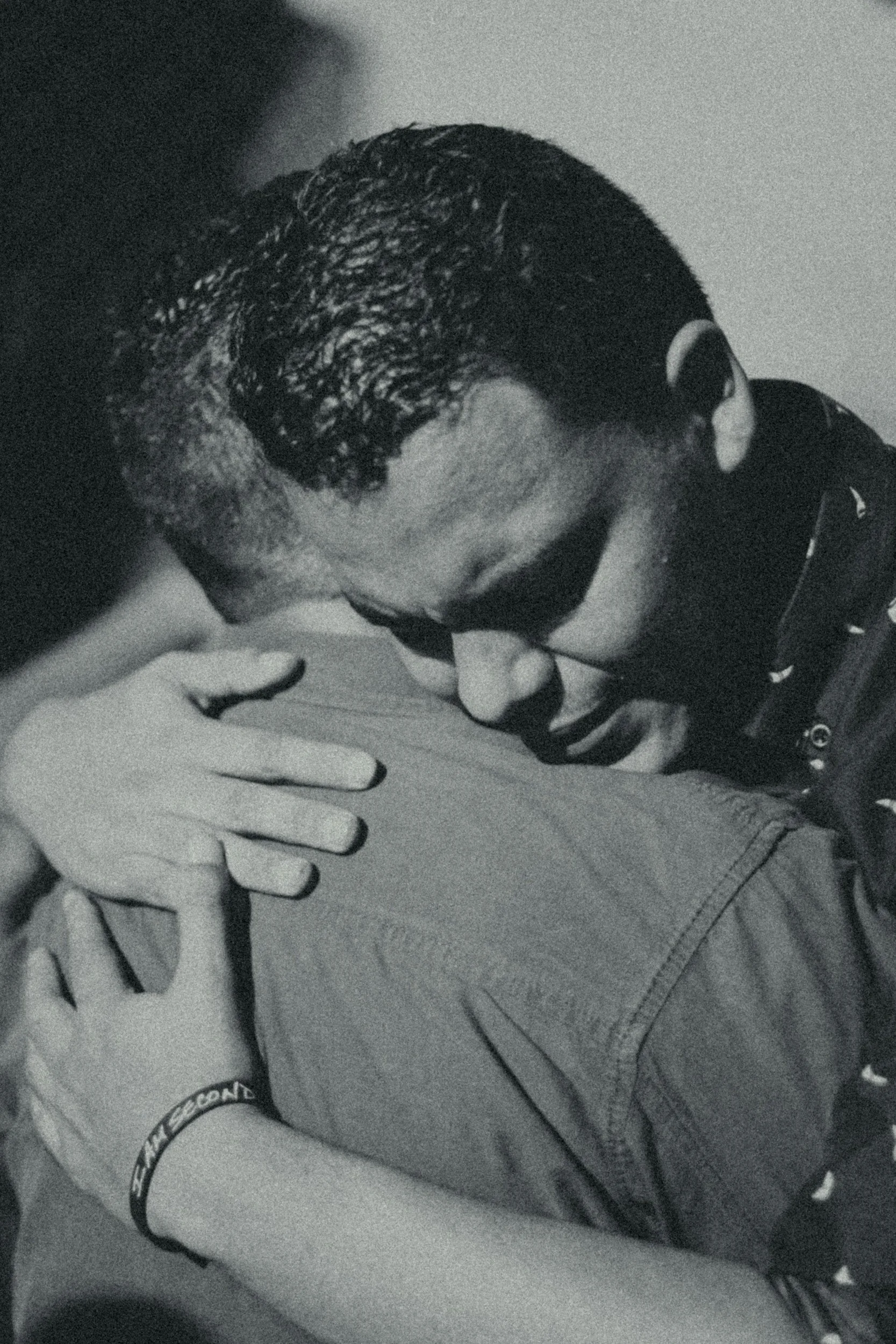
“I don’t know what to say. I can only imagine what you’re going through. Can I give you a hug?”
Don’t say anything. Just sit with them as they cry. Let the pauses on the phone linger as you hear them sniffle.
“Can I accompany you to your next doctor’s appointment? I can drive you, help you ask questions and take notes. Or watch your kids at that time so you have space to attend.”
Bottom line? What they need is someone who witnesses their pain. Doesn’t sugarcoat. Sticks with them through it all. Provides real-time, practical support. Doesn’t add to their mental load by pressuring them to create and delegate tasks. Is the diagnosis hard to hear? You betcha. Is it unbearable? It’s more bearable when they have a community to hold them. When it’s held together. Because trauma isn’t usually forged in the course of a singular moment. It’s cumulatively formed by the responses that people take, or don’t take. It’s the resilient factors of an individual and the community that shapes how that diagnosis will be processed now, and the stories that will be told years from now. What story will you tell?